
The Physical World Was a Racket This Whole Time.
Anon, this insight changed my life, maybe it will change yours by sparking different insights.
Most people think of physical businesses as having low gross margins. Highly saturated, competitive, TEMU, commodities, 10%, 15% at best. Since they think of commodities, low-priced items in their supermarkets, they think, "Ohh, poor commodity supplier. Tariffs, regulations, sugar tax, boo hoo, look at how little profit he can make because it's a commodity."
Meanwhile, everyone seems convinced that software is the best industry to be in because of its easy, clean 90% gross margins. Like, holy moly, is this a psyop? Did the commodity bros, construction bros and real estate bros collectively create this narrative to make sure nobody realizes where the real money is?
First of all, if you keep buying a product and it's consistently cheap, that should tell you something: the business can clearly sustain selling it at that price. You should be questioning its margins before feeling sorry for the supplier. It's a sign that the gross margins are probably not what you think.
Look at Coca-Cola, for example. They have a gross margin of 62% for a fizzy drink that went through zero innovation over decades. Dude, that's better than some software companies.
The left is so focused on tech billionaires and finance bros that they forget about the industrial, physical world. Manufacturing and processing bros. No wonder Buffett loves these stocks and did so well for 80 years without investing heavily in tech.
Tech is the psyop. In fact, it is the highly competitive industry, especially now with AI eating everything and big labs trying to productize everything. If you wanna pity someone, pity the tech bro.
Then look at makeup. Most of us guys have left that to girls (unless u r a makeup bro, in that case, i envy your 400 IQ). Estée Lauder has a 76% gross margin. Holy, that's more than Nvidia's 70%. Dude! fear of being fruity has held us bros back. Learn to code? Hell nah, learn to makeup. Know your lipsticks, foundations, blushes. This is a racket.
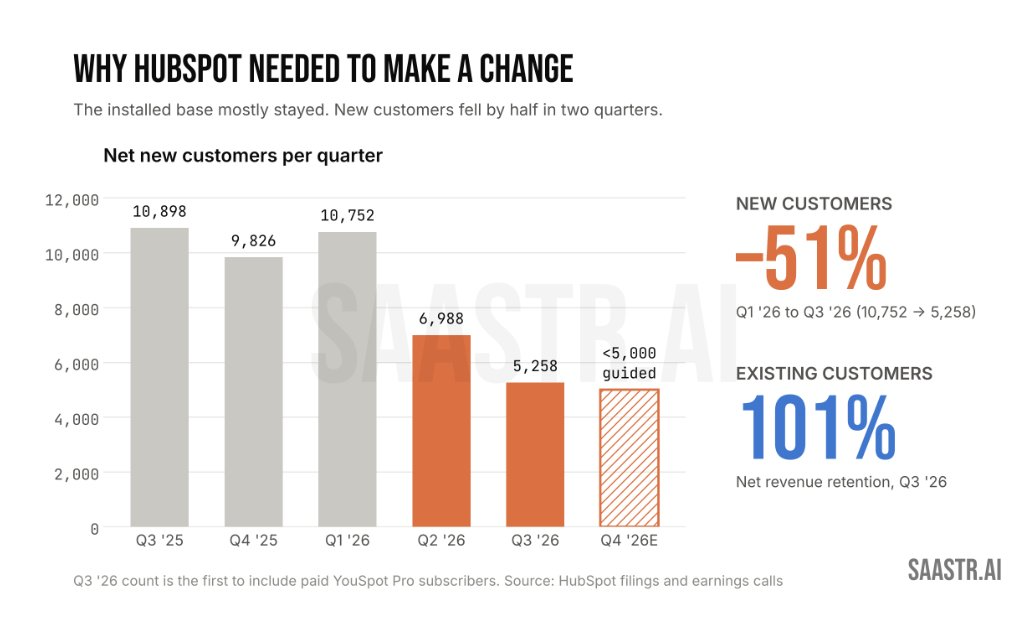
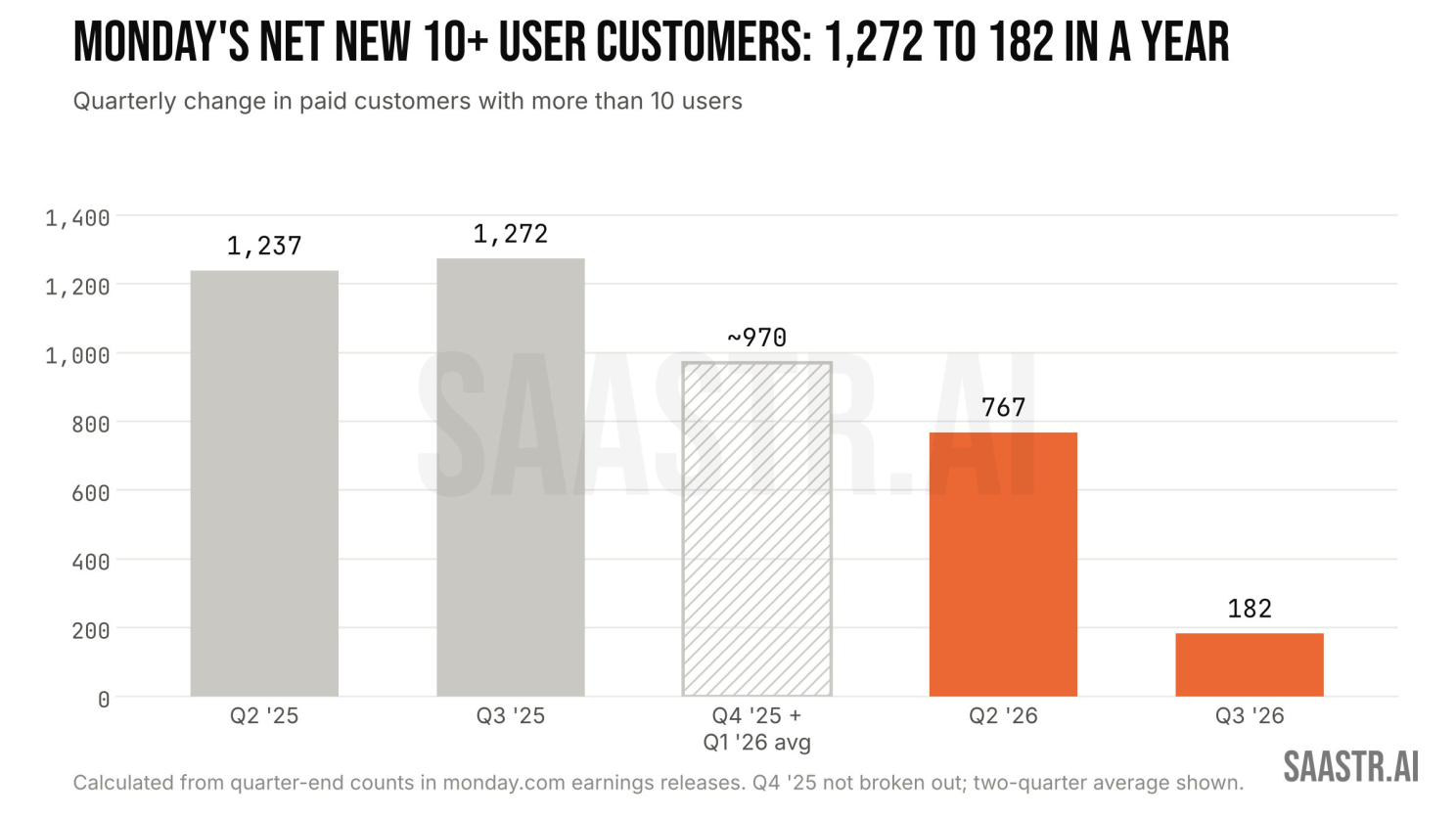
HubSpot and Monday have much lower guidance for next quarter about losing new customers due to AI taking the place of Google Search, so they have much less inbound. They have been on a downhill for last few quarters.
Yes, hardware is hard, but AI is helping to solve that problem. Look at OpenAI designing its own chips that outperform NVIDIA's for its specific use cases. But physical commodities are a different story.
While replacing my 5-gallon drinking water bottle, I realized each refill costs FREAKING 10 AED.
The plastic container costs the company very little since we exchange the bottles. I asked Claude to estimate the economics, and it reckons the gross margin could be around 70%, even accounting for delivery, fuel, high oil prices and everything else.
Like, holy moly.
Like think about it. We don't switch water providers for years. And then think of toys. LEGO is for sure overpriced, but even simple no-brand toys are so marked up. It seems many physical products are mostly 70%+ gross margin. For some software, legal, health and Fortune 500 companies, this would be extremely enviable.
No wonder China has become so rich. Imagine the profit on that massive trade deficit. Even with tariffs, they're making bank. No wonder those people who have been predicting China's downfall for 20 years never see it, even with their housing sector crash a few years back.
And then think of commodities like steel, oil, glass. Holy moly. Our cultural infatuation with Mark Zuckerberg, Bill Gates and such, have baited generations into tunnel visioning on software and tech, when it's the physical commodities that are the gem.
No wonder all those C students are millionaires, because they become real estate, construction and physical commodities bros. And they don't have much competition since middle-class people associate shame with hard work and working physical/labour stuff. Very loser mindset culture (when academia becomes a mean to an end for status signaling). No wonder South Asia hasn't gone through what East Asia did with industrialization.
Also, moving around and building things you can touch is so satisfying.
Anyways, this was a shock to my priors. I was looking at the world like a 5 year old. I was naive. We need more smart, techy people in physical industries.
"Commodity" is a bad, yucky word to tech guys. To them, it means there's no differentiation, which is practically a sin in the world of software.
But brother, listen to me. Commodity means replaceable. And because it's replaceable, disposable and has recurring demand, it can have something software companies spend millions trying to manufacture: endless pull.
People need it, they consume it, and they come back for more.
You could start another bottling company right now in your city and never have unsold inventory sitting around, unlike some GPUs sitting in warehouses due to power shortage. Infinite demand. Tissue paper, disposable cups, aluminum foil, chicken nuggets. Heck, we thought toilet paper bros only made money during COVID. Heck no, they made money way more even before. COVID ramped it up, but they were already making money.
There are no YouTube videos, "day in the life" or engineering blogs-esque content about these guys, so people rarely see what they're actually doing. But it's all out there.
They also have an incentive to stay invisible and avoid attracting competition. So they shrug it off and play into the stereotype that physical businesses are brutal, low-margin, shark-infested industries.
Brother, software is a shark world too. Just because you have a billiards table in your office doesn't mean you're not swimming in the fucking ocean.
The physical real world is the moat now.
Hence why an A student (CPA accountant) works for a C student (a construction bro who needs someone to do his taxes).
They have no limiting beliefs, no tunnel visioning into white-collar industries like law, finance, medicine, etc. (Mostly because circumstances, like their academic performance, didn't let them go down those paths). But those who didn't let their parents, society or teachers convince them that they couldn't make it due to their grades, and instead faced the real world with zero assumptions, often do just fine. More than fine in most cases.
This is the trap in a lot of Asian, Arab and emerging-market middle-class families. The parents' advice is well-intentioned, but often fundamentally misguided. It's also heavily influenced by their addiction to status signaling. They teach their children to chase prestigious professions rather than recognise the opportunities to build and own businesses that exist all around them.
Don't surrender entire industries just because they're physical. Compete there too.
I think I feel like I jumped to another life path due to this insight, and the next 50 years for me changed as a result.
We have to forget what our parents, media and friends are doing and telling us. Screw working for the Big 4. Be a client of the Big 4.
Everyone thinks only oil bros are making bank in commodities, but there are so many ubiquitous physical products that we ignore because they're ubiquitous. All the insane profits are in the ubiquitous. Seeing what others take for granted and miss is the alpha.
Steel bros (Tata) move to tech (acquiring tech companies), and people then think tech is what made them rich (some steel bros want to show to society they can do well in "educated" sectors to signal status). Nah, become steel bros. Compete with these guys. You have the same (or even greater) level of perseverance.
If you can do four years of college, you can put up with physical commodities. If you can do law school, coding, you can learn glass manufacturing.
There is alpha everywhere. We just miss it due to our childhood conditioning. Opportunities are everywhere for those who don't dismiss things. Every "Group of Companies" you know initially started as a physical commodity business, then eventually started a software arm, either for prestige, FOMO, or diversification.
I have an relative (manufacturing bro) who finds it funny how people tunnel-vision on tech. He never says it outright, and actually downplays his industries to others.
I used to think it was a form of coping, but now I'm starting to realize he might genuinely have been right. The physical industry really is a racket.
Like, I knew so many physical commodity companies and general trading companies generating huge revenues, but I always assumed they had terrible margins, 25% at best, like Walmart. I thought software's gross margins were unbeatable.
Clearly, I was the dumbest person alive.
I feel like I'm the last one at the party, only now getting this insight. I've heard people talk about this before, but somehow it never really permeated my soul until now.
Also, with AI labs eating into SaaS gross margins, this might be the best time to be in physical businesses.
Heck, with AI, even the gross margins of physical businesses could keep increasing as automation makes operations cheaper and more efficient.
Until robotics and 3D printers eventually bring the cost of making almost everything down to zero.